Before the World Gets Smaller
Why Wade Well was never really about fitness for fly anglers, and always about preserving our connection to the people, places, and experiences that matter most.

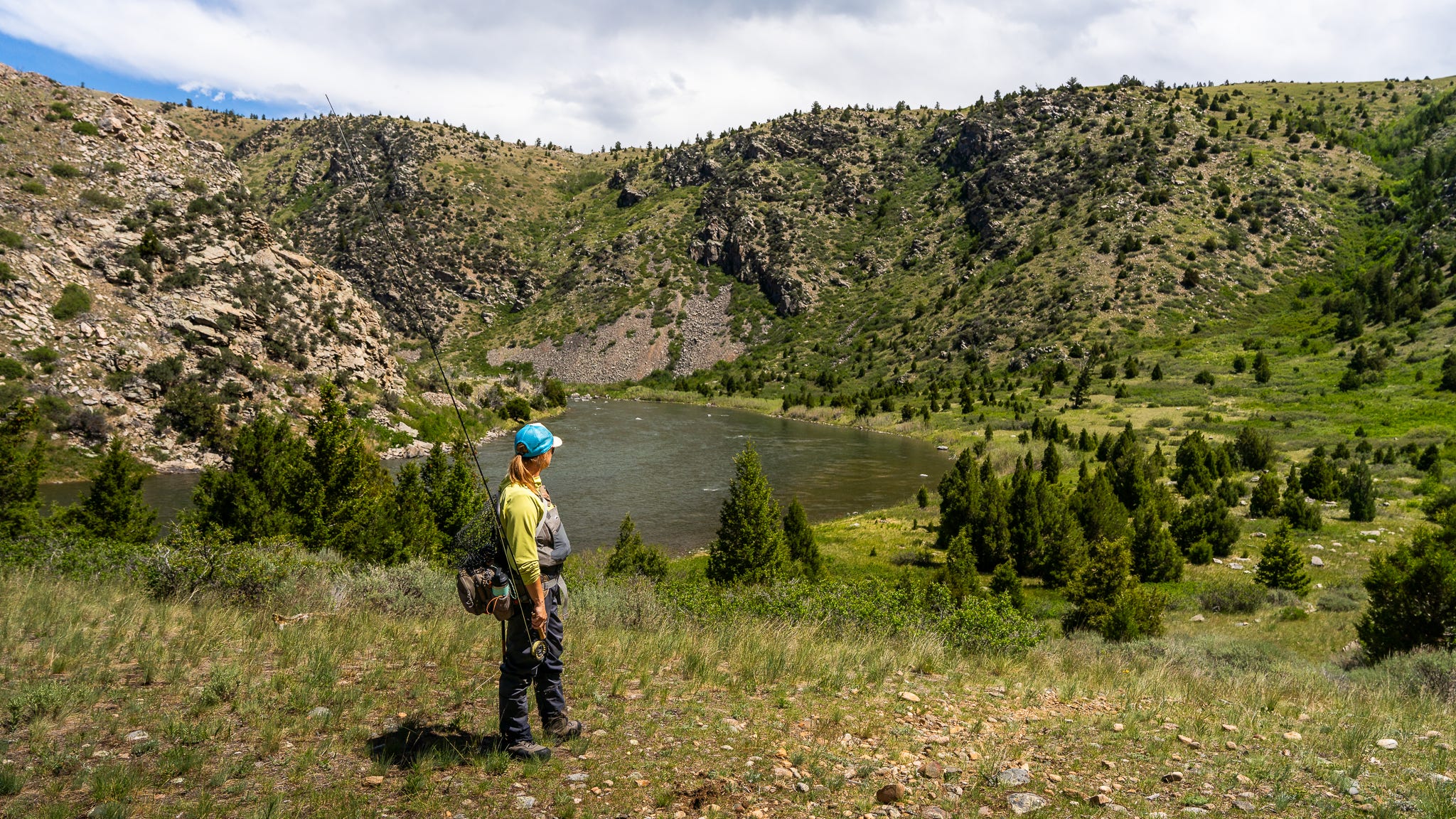
I had a call with a new training client this morning. He’s 78 years old and has been fly fishing for more than six decades. Over the course of our conversation, he told me stories about the places he’s fished, the trips he’s taken, his process of teaching his children to fly fish, and the years he’s spent pursuing fish around the world. While he’s also built a life full of experiences, relationships, and accomplishments that extend well beyond rivers and oceans, like many lifelong anglers, fly fishing is completely woven into the fabric of who he is.
Last week he was in Montana fishing the Upper Madison when something happened that caught him off guard. He found himself losing his balance in situations that would have felt relatively routine only a few years ago. He took a fall, narrowly avoided a few others, and shared with me that he simply didn’t feel strong or steady. As he described the experience, he kept returning to the same idea: it had snuck up on him. There hadn’t been a defining injury or dramatic event. Instead, he had arrived at a moment where his body no longer felt quite as capable as he expected it to be.
At one point in the conversation, he asked me a question that I’ve heard many times over the years but that still lands with the same weight every single time.
“Do you even think there’s anything we can do to make improvements at this stage in life?”
The question wasn’t really about exercise, and it wasn’t really about strength training, mobility drills, or balance work. Underneath the words, I heard something much deeper.
I heard a person trying to understand whether an important part of his life was beginning to slip away from him, and whether there was anything he could do to stop it.
What struck me most wasn’t fear. It was the feeling that he was standing at the edge of resignation. That subtle shift that can happen when people begin to believe that decline is inevitable, that becoming smaller and less connected to the expansiveness of life is simply “part of getting older”, and that their role is to quietly adapt to a shrinking world. I hate hearing that tone in someone’s voice, not because it’s uncommon, but because it is so incredibly common. I’ve heard it from people in their forties, fifties, sixties, seventies, and beyond. The circumstances may differ, but the underlying concern is often the same.
The answer I gave him was simple: yes, there is something we can do.
I believe deeply in the adaptability of the human body, and is that adaptability also directly linked to mindset? Yes, absolutely. I’ve watched people improve their strength, mobility, confidence, balance, and overall quality of life at ages that many would consider well beyond their so-called athletic years. Progress may look different at 78 than it does at 48, and it may look different at 48 than it does at 28, but improvement always remains possible. There’s always more capacity available than people realize.
After we hung up, I took a long walk around my neighborhood and found myself reflecting on something I’ve come to understand after 15+ years of working with anglers, climbers, runners, paddlers, and thousands of everyday people simply trying to stay engaged with the things that make life meaningful.
The truth is that strength, balance, mobility, movement capacity, and fitness are rarely the things people are actually worried about losing. Those are simply the measurements we focus on because they’re tangible. What people are really afraid of losing are the experiences, relationships, identities, and possibilities attached to them. They’re afraid of no longer taking the annual fishing trip with old friends. They’re afraid of turning down opportunities, whether they’re casual or more adventurous, because they no longer trust their bodies. And really, they’re simply afraid of becoming observers in a life they once actively participated in.
I’m sometimes asked who my Wade Well client avatar is. But the truth is there isn’t just one specific demographic of angler who’s hoping to feel better and move better. Some people want to prepare for a destination trip, some want to recover from an injury, some want to wade more confidently, and some want to improve performance and pursue ambitious goals on the water. But ultimately everyone has the same shared goal : to simply continuing doing the things they love with the people that matter for as long as possible, ideally pain-free, and with some level of freedom.
What unites them isn’t age, skill level, or physical ability. It’s connection.
Connection to a place, a community, a tradition, a culture, curiosity, adventure, and a way of moving through the world that helps them feel fully alive and a part of something bigger than themselves.
The more I’ve reflected on the work I do, the more I’ve realized that Wade Well was never really about fitness. Movement, mobility, strength, recovery, and performance all matter, but only because of what they make possible. They’re the vehicle, not the destination.
When people lose the ability to participate, they often lose much more than an activity. Their worlds become smaller, they stop planning and plotting, they stop dreaming, they stop learning, they stop exploring, and they stop showing up in the same ways they once did. Little by little, they become disconnected, existing on what feels more like an island than an integrated shared space.
That’s why this work is so meaningful to me. Not because I want someone to deadlift more weight or improve a performance metric just because it looks good on paper. Fitness for the sake of fitness-ing? That kinda misses the point.
It’s meaningful because every gain in strength, confidence, balance, and resilience creates another opportunity for someone to remain engaged with the people, places, and experiences that give their life meaning. That’s it.
While I continue to think back on my conversation this morning, that’s what’s stuck with me all day long. Not just the fall on the Upper Madison, and not just the question about aging. The fact that he still cares enough to ask, and he still has places he wants to go, fish he wants to catch, flies he wants to tie, and experiences he wants to share with his family and friends. He’s still looking toward the future.
As long as that remains true, there is work worth doing.
I think that’s exactly what the Wade Well Method has always been about: helping people stay connected to the life they want to keep living before their world gets smaller.
The work described in this essay is the work I do every day with anglers and outdoor athletes of all ages. It’s not only my career, but it’s my passion as both an angler and trainer. Through private coaching and the Wade Well Online Training Studio, my goal is simple: to help people maintain the physical capacity, confidence, and resilience needed to keep showing up for the people, places, and experiences that matter most.
Learn more at lindsaykocka.com
Image by Dylan Barker.